
Specialised Therapy for
Autism Spectrum Disorder (ASD)
and Neurodevelopmental Disorders
we are dedicated to transforming the lives of children, adults, and families through specialized Occupational Therapy, with a focus on Autism Spectrum Disorder (ASD) and Neurodevelopmental Disorders.
Our Therapies

Occupational Therapy

Autism Spectrum Disorder

ABA Therapy
Sensory Integration

Special Education
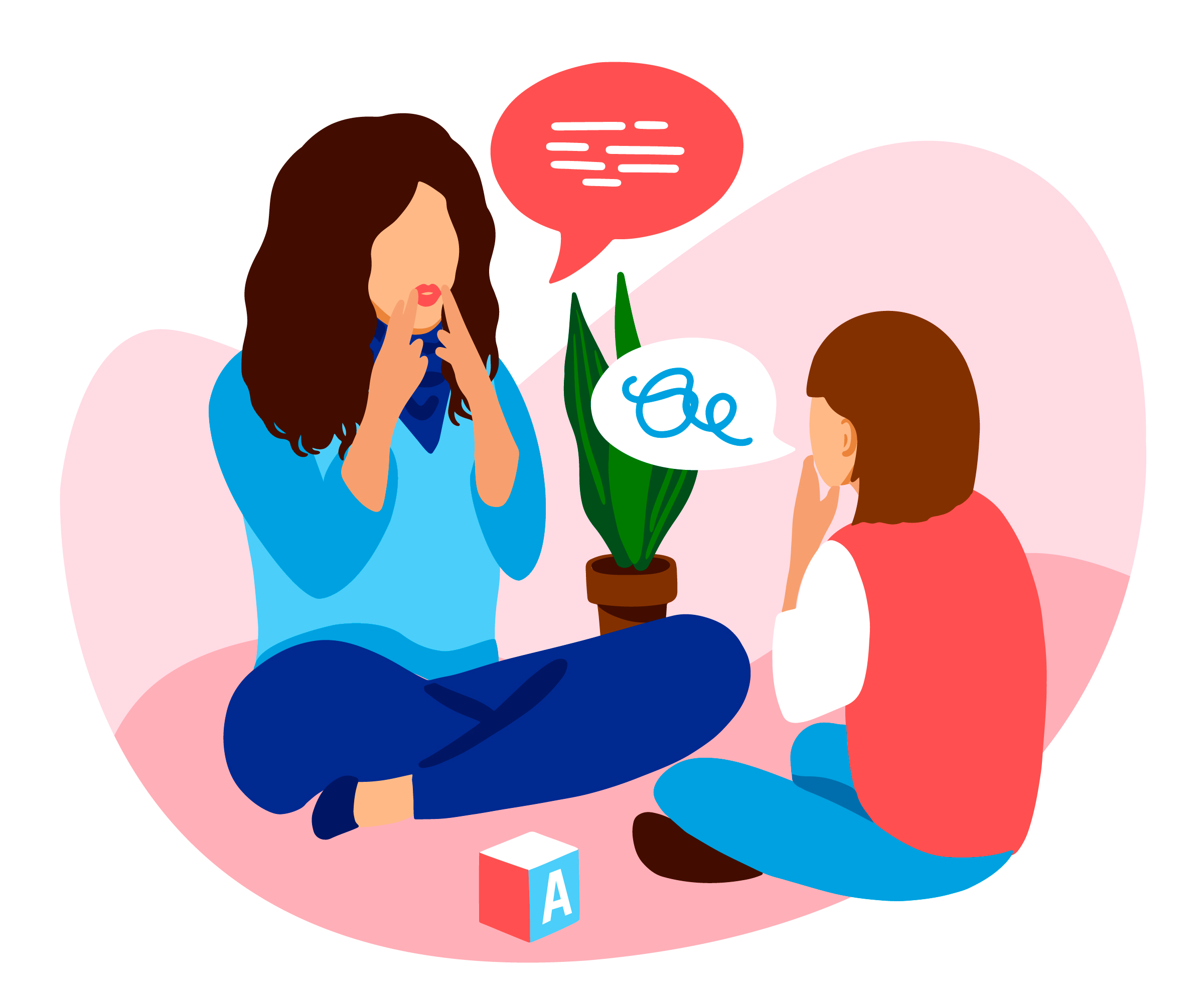
Speech & Language Therapy
Is your Child struggling with AUTISM?
https://videos.pexels.com/video-files/8709183/8709183-uhd_2560_1440_25fps.mp4
Globally, 1 in 54 children estimated to have autism spectrum disorder (ASD)
CASE STUDY
INTRODUCTION
When little …….. was diagnosed with Autism Spectrum Disorder at the age of 3.5 years, his parents were filled with worry and uncertainty. He rarely responded to his name, avoided eye contact, and preferred to play alone. His speech was limited to a few unclear sounds, and he often had difficulty following simple instructions.
The Beginning of the Journey
Determined to help their son, …… parents sought for intervention immediately after diagnosis. They enrolled him in a structured occupational therapy program for improving attention, eye contact, play skills, language development and encourage communication, reduce repetitive behaviours and increase social interaction.
The therapist and parents worked together as one team, setting small, achievable goals each week.
Progress Within Months
First 2 Months: …….. began responding quickly to his name, pointing at objects, and also imitating simple gestures.
By 4 Months: His vocabulary grew rapidly; he could use 2–3 word phrases, ask for his needs, and interact briefly with peers.
By 5 Months: He started following classroom instructions, engaging in pretend play, and initiating conversations.
By 7 Months, His Neuro pediatrician confirmed that …….. no longer met the diagnostic criteria for Autism Spectrum Disorder. He was speaking in full sentences, maintaining friendships, and enjoying learning in a regular school environment.
https://occupationaltherapistinindore.in/wp-content/uploads/2025/09/WhatsApp-Video-2025-09-17-at-15.31.23_a4f581f9.mp4
Challenges Along the Way
The journey was not always smooth. There were days when …….. would regress, become irritable, or refuse to participate in therapy, but the parent’s consistency and belief in his potential kept them moving forward.
The Breakthrough
The most emotional moment for the family came one evening when he, for the first time, said clearly:
“Mumma, kya aap mere sath ball kheloge?”
It was the turning point that reassured his parents that their child was on the right path.
Where He Stands Today
Now 4.2 years old, …….. is thriving. He attends a mainstream school, loves drawing and self hindi and English handwriting from board also. His teachers describe him as a curious, cheerful and talkative child.
Message of Hope
……. story is a reminder that early diagnosis, intensive therapy, and parental involvement can bring extraordinary results even within a short span of 7–8 months. While every child’s journey is unique, his success shows that with the right support, children with autism can unlock their full potential.

Dr. Vishal Rawat – distinguished Autism and Developmental Disorder Specialist.
Dr. Rawat is also an Assistant Professor in the Department of Occupational Therapy at Sri Aurobindo Institute of Medical Sciences and Hospital, Indore (M.P.). With extensive clinical expertise in diagnosing and treating Autism Spectrum Disorder (ASD), Adult Neurological Diseases, as well as Multiple Developmental Disabilities, Dr. Vishal has dedicated their career to supporting children and families through evidence-based interventions. In addition to clinical practice, Dr. Rawat is actively involved in academic teaching, research, and training the next generation of occupational therapy professionals as well as Speech Therapy Professionals. Their work emphasizes a holistic approach, integrating therapeutic strategies to enhance communication, sensory processing, social participation, and independence in every developmental milestone.
Why Choose Dr. Vishal Rawat?
-
Expertise: Extensive experience in treating neurodevelopmental disorders, including autism, ADHD, and learning disabilities.Occupational Therapy Clinic in Indore.
-
Personalized Approach: Customized therapy plans designed to meet the specific needs and goals of each client.
-
Family-Centered Care: Collaborative approach involving families in the therapeutic process to ensure consistency and support.Occupational therapy centre
-
State-of-the-Art Facility: Equipped with modern tools and resources to provide effective therapy sessions.
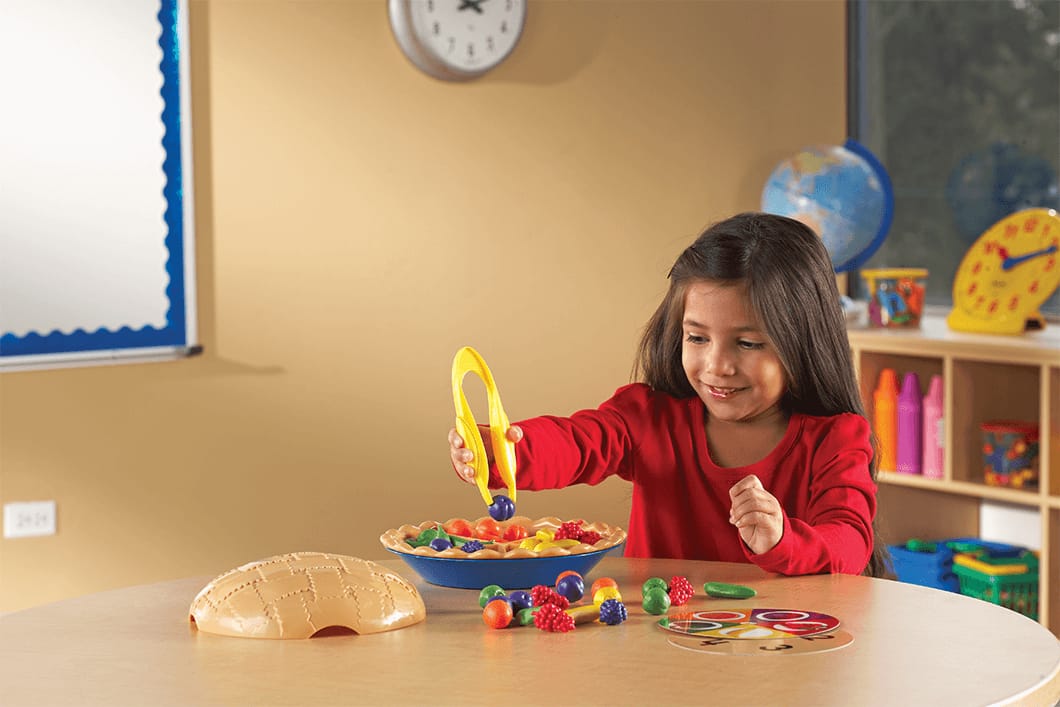
Our Interactive School Classes


What They Talk About us:
I want to extend my deepest gratitude to Dr. Vishal Rawat for the exceptional occupational therapy he has provided for my son. Since beginning the sessions, we’ve seen a remarkable improvement in both my son’s activities and behavior. His coordination, focus, and confidence have improved significantly, and we couldn’t be happier with his progress.
Dr. Vishal’s expertise and individualized approach have made all the difference. He tailors each session to meet my son’s unique needs and creates a supportive environment that helps him thrive. Not only does he focus on physical skills, but he also works on emotional and social aspects, which have been crucial for my son’s overall development.
What stands out the most is Dr. Vishal’s patience and genuine care for my son’s well-being. He takes the time to explain everything thoroughly, making sure we’re always in the loop about progress and any adjustments needed. We are truly grateful for his dedication.
I highly recommend Dr. Vishal Rawat to anyone seeking quality occupational therapy.

Dr Vishal Rawat Is One Of The Best Occupational Therapist In Indore.. His Expertise In Treating Children With Special Needs Is Impeccable… I Have Seen Drastic Improvement In My Niece After I Took Her To Dr Vishal… I Would Highly Recommend Him To Everyone Who Is Looking For Occupational Therapist

Treatment is very effective as well as cost effective and the nature of the sir is very good … I’m really satisfied in only 3 session.

The experience was very good.specially thanks to Dr. Vishal Rawat sir for his efforts and inputs he put in.
I saw improvement in speech upto a considerable level.
This is the ultimate platform for someone who is suffering from speech problem ,they can definitely join this.
Dr. Vishal Rawat is one of the most distinguished and experienced therapists in Indore, particularly renowned for his expertise in working with children who have neurodevelopmental conditions. With extensive experience in the field, Dr. Rawat has successfully supported numerous children in maximizing their functional capacities. His clinic is widely regarded as a leading center for neurodiversity therapy, offering tailored interventions that address the unique needs of each child.
For parents seeking the best possible care for their children, Dr. Vishal Rawat’s clinic stands out as an exceptional choice. His compassionate approach and dedication to improving the lives of children ensure that they receive the highest standard of therapy, empowering them to achieve their full potential

One of the best occupational therapy clinic in indore with excellent services
Tanisha Ware
Designation

Frequently Asked Questions:
What age group do you work with❓
We work with children from infancy to early teens (0–12 years). Early intervention starts as young as a few months old, while therapy for academic, behavioral, and speech concerns continues into school-age years.
How long does a therapy session last❓
Each session typically lasts 45 to 60 minutes, depending on the child’s needs, therapy type, and attention span. This includes both active therapy time and a short consultation with parents at the end.
How often does my child need therapy❓
Therapy frequency varies based on assessment. Most children begin with 2–4 sessions per week, which may adjust as progress is made. We’ll customize the plan for your child’s condition and goals.
Do you offer home-based therapy plans or teletherapy❓
Yes, in specific cases, we provide home programs and parent training to continue therapy at home. Teletherapy is also available for speech and behavior sessions when needed.
What are the charges per session❓
Charges depend on the type of therapy (OT, Speech, ABA, etc.) and session length. For exact pricing, please contact us via WhatsApp or call—we ensure affordable, quality care.
Is a doctor’s referral required to start therapy❓
No referral is needed. You can book a consultation directly with us. However, if your pediatrician or neurologist has referred you, we’ll align therapy with their recommendations.
Will I see progress in my child❓
If you and we do it together, Absolutely! Every child progresses at their own pace, and we regularly track milestones. With consistent therapy and home support, most children show notable improvements within weeks to months.
Can I sit in during the sessions❓
Parents are encouraged to participate during initial sessions and are updated regularly. For some therapies, independent sessions allow the child to focus better. We always share home strategies afterward.
We work with children from infancy to early teens (0–12 years). Early intervention starts as young as a few months old, while therapy for academic, behavioral, and speech concerns continues into school-age years.
Each session typically lasts 45 to 60 minutes, depending on the child’s needs, therapy type, and attention span. This includes both active therapy time and a short consultation with parents at the end.
Therapy frequency varies based on assessment. Most children begin with 2–4 sessions per week, which may adjust as progress is made. We’ll customize the plan for your child’s condition and goals.
Yes, in specific cases, we provide home programs and parent training to continue therapy at home. Teletherapy is also available for speech and behavior sessions when needed.
Charges depend on the type of therapy (OT, Speech, ABA, etc.) and session length. For exact pricing, please contact us via WhatsApp or call—we ensure affordable, quality care.
No referral is needed. You can book a consultation directly with us. However, if your pediatrician or neurologist has referred you, we’ll align therapy with their recommendations.
If you and we do it together, Absolutely! Every child progresses at their own pace, and we regularly track milestones. With consistent therapy and home support, most children show notable improvements within weeks to months.
Parents are encouraged to participate during initial sessions and are updated regularly. For some therapies, independent sessions allow the child to focus better. We always share home strategies afterward.
“Let’s Take the First Step Together”